
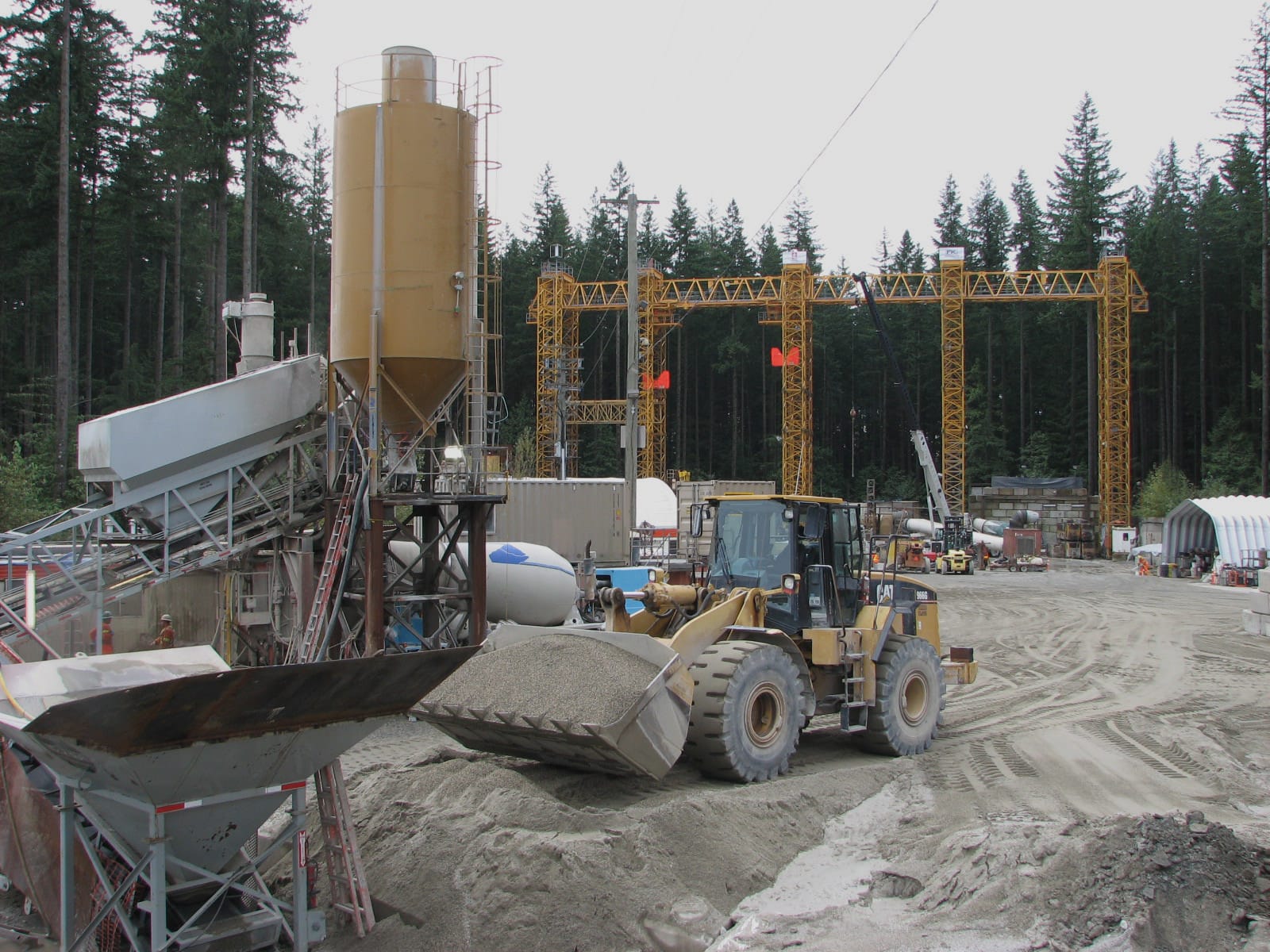
The soil cement mixing process is a fundamental technique used in construction to improve the strength and stability of soil for various applications, including road bases, foundations, and embankments. This method involves blending soil with a specific amount of cement and water to create a durable composite material that enhances load-bearing capacity and reduces permeability.
Initially, the selection of suitable soil is crucial. Soils with high clay or silt content are generally preferred because they react well with cement; however, sandy soils can also be stabilized by adjusting the mix design. The quality of the soil directly influences the effectiveness of the stabilization process. Once an appropriate soil densification type is identified on-site or procured from borrow pits, it undergoes preparation which includes clearing debris, organic matter removal, and grading to ensure uniformity.
The next step involves determining the optimum cement content required for stabilization. This depends on factors such as soil type, moisture content, compaction requirements, and intended use. Laboratory tests like unconfined compressive strength (UCS) tests help engineers decide on ideal proportions to achieve desired strength without overusing cement unnecessarily.
After establishing mix proportions, dry mixing begins by spreading measured quantities of Portland cement evenly over the prepared soil surface using mechanical spreaders or manually in smaller projects. Thorough blending ensures uniform distribution before adding water.
Water addition follows carefully controlled procedures since moisture content critically affects compaction efficiency and curing performance. Water can be sprayed onto the mixed materials using specialized equipment such as water trucks fitted with spray bars or integrated mixers that simultaneously blend all components during mixing operations.
Mechanical mixers like rotary tillers or pug mills are commonly employed for thorough homogenization at construction sites. These machines churn together soil particles with dry cement powder and water until achieving a consistent mixture resembling damp earth but not overly wet. Proper mixing time varies depending on machinery capacity but typically ranges from 5 to 15 minutes per batch.
Once adequately mixed, immediate compaction is essential to remove air voids and increase density for enhanced structural integrity. Compactors such as vibratory rollers or sheep’s foot rollers apply pressure across multiple passes until target density levels specified by project engineers are met.
Following compaction comes curing-a critical phase where moisture retention allows hydration reactions between cement and soil minerals to develop binding properties fully. Curing periods may range from several days up to weeks based on environmental conditions like temperature and humidity; covering treated surfaces with plastic sheets or periodically moistening them helps maintain adequate moisture levels during this period.
In summary, the soil cement mixing process combines careful selection of materials with precise proportioning, thorough mechanical blending, proper moisture control, effective compaction techniques, and sufficient curing time to produce a strong stabilized base suitable for construction purposes. When executed correctly under expert supervision using appropriate equipment tailored for site conditions-this method significantly improves ground performance while offering economic benefits through reduced need for imported aggregates or extensive excavation works.