
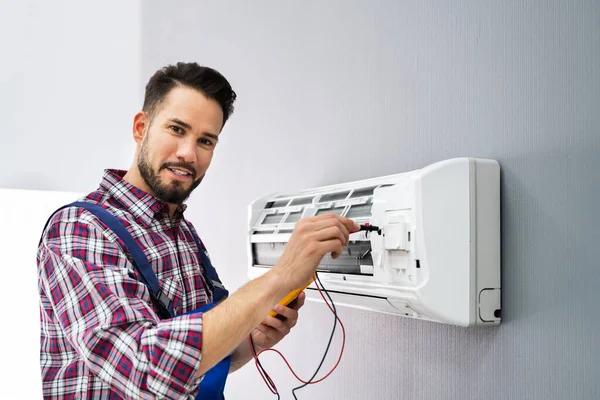
Pet allergens can significantly impact indoor air quality and the overall comfort of a home, especially for individuals sensitive to dander and other particles. One effective way to reduce these allergens is through timely and proper HVAC repairs. Heating, ventilation, and air conditioning systems play a crucial role in circulating air throughout the house, which means any inefficiencies or malfunctions can lead to poor filtration and increased allergen levels. When an HVAC system is not functioning correctly, dust, pet dander, and other airborne irritants may accumulate rather than being filtered out. Repairing issues such as clogged filters, broken fans, or damaged ducts helps ensure that the system operates optimally by capturing learn more here allergens before they spread.
Maintaining clean air filters is one of the simplest yet most impactful aspects of reducing pet allergens via HVAC repairs. Filters trap particles like pet hair and dander but become less effective when dirty or damaged. Replacing or repairing filter components restores their ability to capture these microscopic allergens effectively. Additionally, some HVAC systems use advanced filtration technologies such as HEPA filters or electronic air cleaners designed specifically to remove smaller particles from circulation. If these components are malfunctioning due to neglect or wear-and-tear, repair services can restore their function and improve indoor air quality substantially.
Another common source of allergen buildup is leaks in ductwork caused by cracks or loose connections. These leaks allow unfiltered air from dusty areas like basements or attics to mix with conditioned indoor air. Repairing duct leaks prevents this unclean airflow from contaminating living spaces with pet-related allergens trapped outside the main ventilation path. Furthermore, properly sealed ducts improve overall system efficiency by ensuring that heated or cooled air reaches intended rooms without loss.
Beyond mechanical fixes, professional HVAC technicians often recommend regular maintenance plans that include inspection for potential problems before they worsen into costly repairs affecting allergen control capabilities. Routine servicing also involves cleaning internal components where dust and dander tend to collect over time if left unattended.
In summary, addressing HVAC repair needs promptly contributes directly to lowering pet allergen concentrations indoors by enhancing filtration performance and preventing contaminated airflow paths within homes. Homeowners who invest in keeping their heating and cooling systems well-maintained create healthier environments that benefit both allergy sufferers and pets alike while extending equipment lifespan through improved operational efficiency.