
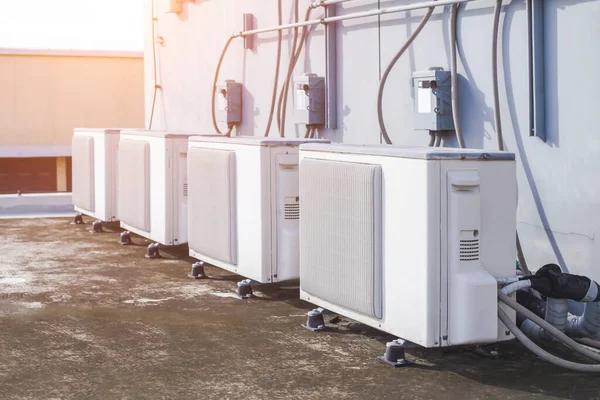
Air conditioning systems rely on various components working together efficiently to maintain comfortable indoor temperatures. Two common issues that often cause performance problems are airflow restrictions and refrigerant undercharge. Understanding the key warning signs of each can help homeowners and technicians diagnose problems accurately and avoid unnecessary repairs.
Airflow restrictions occur when the movement of air through the system is impeded. This can be caused by dirty or clogged air filters, blocked vents, closed dampers, or even damaged ductwork. One of the primary symptoms of airflow restriction is uneven cooling throughout a space. Some rooms may feel cooler than others because insufficient air reaches every area evenly. Additionally, restricted airflow forces uncover the secrets system’s blower fan to work harder, which can lead to increased energy consumption and higher utility bills. Another sign is reduced overall cooling capacity; despite running continuously, the system struggles to reach set temperatures due to limited air circulation.
A noticeable symptom linked with airflow restriction is ice formation on evaporator coils inside the unit. When warm air cannot pass over these coils properly, they become too cold and freeze up, further restricting airflow in a harmful cycle that damages efficiency and may result in system shutdowns for protection. Homeowners might also hear unusual noises such as whistling or rattling caused by turbulent airflow or debris caught in ducts.
On the other hand, refrigerant undercharge refers to having less coolant than necessary within an HVAC system. Refrigerant plays a crucial role in absorbing heat from indoor air so it can be expelled outside during cooling cycles. If there isn’t enough refrigerant present due to leaks or improper charging during installation or maintenance, several issues arise that differ from those caused by poor airflow.
One clear indicator of refrigerant undercharge is inadequate cooling output despite normal-looking airflow through vents; this means cool air volume appears fine but lacks sufficient temperature drop because less heat transfer occurs without enough refrigerant circulating inside coils. Low refrigerant levels also cause elevated pressure readings on low-pressure gauges while high-pressure side readings drop abnormally during diagnostic checks performed by professionals.
Another important sign involves compressor strain since it works harder trying to compensate for inefficient cooling processes when undercharged conditions exist-this leads to overheating risks and possible premature failure if not addressed promptly.
In summary, distinguishing between airflow restrictions and refrigerant undercharge relies on recognizing specific symptoms related either primarily to impaired air movement or insufficient coolant levels affecting heat exchange efficiency directly. Proper diagnosis requires careful observation combined with professional testing equipment for accurate measurement of pressures and temperatures within HVAC components ensuring effective solutions tailored precisely toward restoring optimal operation rather than guesswork repairs based solely on superficial symptoms alone.