
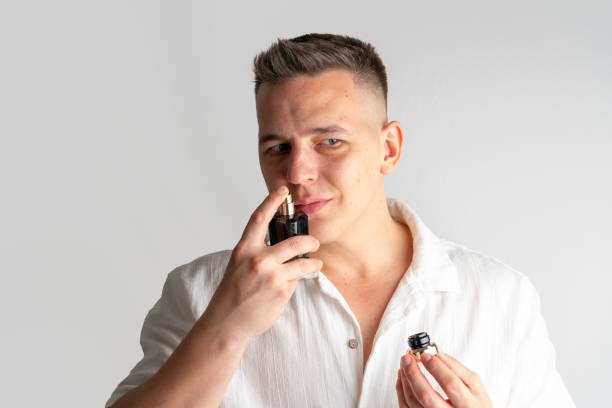
Pheromone colognes have gained significant popularity in recent years, captivating the interest of those seeking to enhance their attractiveness and social presence. At the core of this fascination is the belief that pheromones, naturally occurring chemicals produced by living organisms, play a crucial role in non-verbal communication and attraction.
The idea is rooted in biology; pheromones are known to influence behavior and physiological responses within species. In humans, although the extent of their impact remains a subject of scientific debate, many believe that these chemical signals can subconsciously affect perceptions of attractiveness. This potential for influencing human interaction has led to an increased interest in products like pheromone colognes.
One factor contributing to their popularity is the allure of science-backed enhancement. Many people are drawn to products promising scientifically-proven results, even if conclusive evidence regarding human pheromones remains elusive. The notion that one could apply a fragrance and become more appealing or confident is compelling for those navigating complex social landscapes.
Moreover, marketing strategies play a pivotal role in promoting these products. Advertisements often highlight anecdotal success stories and testimonials from users who claim noticeable improvements in their social interactions after using such colognes. This marketing approach taps into consumers’ desires for quick fixes and easy solutions to personal challenges like dating or making positive impressions.
Another reason behind their appeal is psychological reinforcement. When individuals use pheromone colognes believing they will be more attractive, it can boost self-confidence—a trait often perceived as inherently attractive itself. This placebo effect can lead users to behave more confidently and sociably, inadvertently increasing their appeal regardless of any actual effect from the product’s ingredients.
Cultural influences also contribute significantly to the popularity of these colognes. In societies where physical appearance and first impressions hold substantial weight—such as Western cultures—products promising enhanced attractiveness are highly sought after. Pheromone colognes fit neatly into this cultural narrative by offering an additional tool for enhancing one’s desirability with minimal effort required.
Finally, accessibility plays a crucial role; pheromone colognes are widely available online and at various price points, making them accessible to a broad audience eager to experiment with new methods for enhancing personal relationships or romantic pursuits.
In conclusion, while scientific consensus on human pheromones remains inconclusive, several factors drive the popularity of pheromone colognes: scientific intrigue coupled with effective marketing strategies; psychological benefits leading to increased confidence; cultural emphasis on appearance; and easy accessibility all contribute towards making these fragrances popular among those looking for an edge in attraction dynamics.