
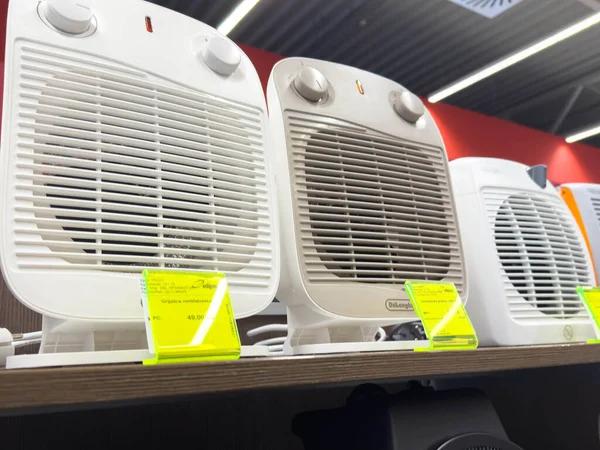
Efficient heating and cooling are vital for maintaining comfort in any home or workplace while managing energy costs effectively. Understanding the fundamentals of heating, ventilation, and air conditioning (HVAC) systems can help users optimize performance and extend equipment lifespan. The first step toward efficiency is selecting the right system tailored to the size and layout of the space. Oversized units may cycle on and off frequently, wasting energy, whereas undersized units struggle to reach desired temperatures, leading to excessive wear. Consulting with a professional HVAC technician ensures proper sizing based on factors such as square footage, insulation quality, window placement, and climate conditions.
Regular maintenance plays a crucial role in sustaining efficient operation. Changing filters every one to three months prevents dust buildup that restricts airflow and forces the system to work harder than necessary. Cleaning coils inside air conditioners improves heat exchange efficiency by removing dirt that acts as insulation against cooling surfaces. Similarly, clearing debris from around outdoor condenser units enhances airflow circulation essential for optimal functioning. Scheduling annual inspections allows technicians to identify issues early before they escalate into costly repairs or complete breakdowns.
Thermostat settings significantly influence energy consumption during both Essential Heating and Air cooling seasons. Programmable thermostats enable users to adjust temperatures automatically according to daily routines without manual intervention. Lowering heat by a few degrees during nighttime or when occupants are away reduces utility bills without sacrificing comfort upon return since modern systems recover temperature quickly when programmed properly.
Sealing leaks in ductwork is another often overlooked aspect impacting HVAC efficiency. Leaky ducts allow conditioned air to escape into unconditioned spaces like attics or crawlspaces rather than reaching living areas directly. Sealing gaps with mastic sealant or metal tape ensures more consistent temperature delivery while reducing strain on equipment.
Energy-efficient windows also contribute by minimizing heat loss in winter and limiting solar gain in summer through double glazing or low-emissivity coatings designed specifically for thermal control purposes.
Incorporating ceiling fans complements central HVAC systems by promoting better air circulation throughout rooms which helps distribute warm or cool air evenly thus reducing reliance on heating or cooling alone.
Finally, considering alternative energy sources such as geothermal heat pumps offers long-term savings despite higher upfront installation costs due to their ability to transfer heat using stable underground temperatures instead of generating it directly from electricity or fossil fuels.
By combining appropriate equipment selection with routine upkeep practices alongside smart usage habits homeowners can achieve comfortable indoor environments year-round while conserving resources responsibly through efficient heating and cooling strategies tailored specifically for their needs.