
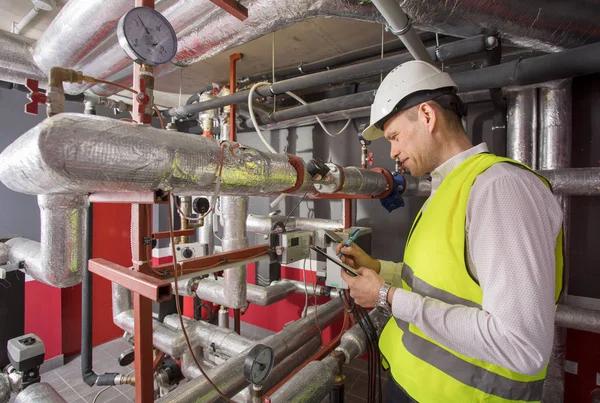
HVAC contractors often face the challenge of managing emergency repairs where quick response and effective solutions are critical. To handle these situations successfully, they implement several strategies that ensure minimal downtime and restore system functionality promptly. One key approach is maintaining a well-organized inventory of essential parts and tools. Having commonly needed components readily available allows technicians to address issues without delay, reducing the time spent sourcing materials during an emergency.
Another important strategy involves thorough training and continuous education for technicians. Skilled professionals who understand various HVAC systems deeply can diagnose problems accurately under pressure, leading to faster repairs. Contractors invest in ongoing learning opportunities so their teams stay updated on the latest technologies, repair techniques, and safety protocols. This preparedness enhances confidence when handling unexpected breakdowns.
Clear communication also plays a vital role in managing emergency repairs effectively. HVAC contractors establish streamlined channels between dispatchers, technicians, and customers click to learn more coordinate responses efficiently. When clients report urgent issues, prompt information gathering helps prioritize calls based on severity and location. Technicians receive detailed job briefs before arriving onsite, enabling them to bring appropriate equipment and plan interventions strategically.
Scheduling flexibility is another element that supports successful emergency management. Many contractors offer 24/7 availability or extended service hours to accommodate urgent requests outside regular business times. This accessibility reassures customers that help will arrive swiftly regardless of when problems occur. Additionally, having multiple teams or subcontractors ready allows workload distribution during peak demand periods.
Utilizing technology enhances operational efficiency during emergencies as well. GPS tracking enables real-time monitoring of technician locations for optimized dispatching routes while mobile devices provide instant access to manuals or diagnostic software onsite. Some companies employ customer relationship management (CRM) systems tailored for rapid ticketing and follow-up processes which improve overall responsiveness.
Preventive maintenance agreements contribute indirectly by minimizing the frequency of sudden failures requiring emergency attention but remain part of a comprehensive strategy nonetheless. Regular inspections catch potential faults early so corrective measures can be planned rather than reactive fixes being necessary at inconvenient moments.
Lastly, fostering strong customer relationships builds trust essential in high-pressure scenarios where clients seek reassurance alongside technical expertise. Transparent pricing policies combined with honest assessments help manage expectations realistically while delivering satisfactory outcomes even under tight timelines.
By integrating organized inventory control, skilled workforce development, efficient communication networks, flexible scheduling options, advanced technological tools, preventive care programs, and solid client rapport into their operations models HVAC contractors position themselves to manage emergency repairs successfully every time they arise without compromising quality or speed of service delivery.