
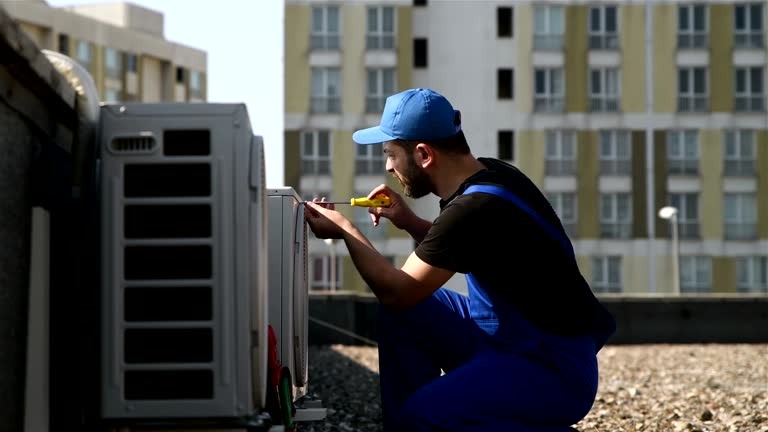
Regular maintenance is crucial for any mechanical system, and HVAC systems are no exception. Biannual tune-ups can significantly extend the lifespan of your heating, ventilation, and air conditioning units. These routine checks not only ensure optimal performance but also prevent minor issues from escalating into costly repairs or even complete system failures.
One of the primary benefits of biannual HVAC tune-ups is improved efficiency. Over time, dust and debris accumulate in your system, causing it to work harder than necessary to maintain desired temperatures. During a professional tune-up, technicians clean components such as coils and filters, ensuring unobstructed airflow and efficient operation. This cleaning process reduces energy consumption, leading to lower utility bills while minimizing wear and tear on explore the content system’s parts.
Moreover, regular inspections help identify potential problems before they become severe. Technicians check for signs of wear in belts and bearings, inspect electrical connections for safety hazards, and test refrigerant levels to prevent leaks. Addressing these issues early prevents them from developing into major malfunctions that could shorten the life expectancy of your HVAC unit.
Biannual tune-ups also enhance indoor air quality by ensuring that all components function correctly. Clean filters trap pollutants like dust mites, pollen, mold spores, and pet dander more effectively when replaced regularly during maintenance visits. This proactive approach promotes a healthier living environment by reducing allergens circulating through your home’s air ducts.
Additionally, maintaining manufacturer warranties often requires proof of regular service appointments conducted by certified professionals. Skipping scheduled maintenance might void these warranties—leaving you responsible for repair costs should something go wrong with your equipment prematurely due to neglectful upkeep practices.
Furthermore, consistent care extends beyond immediate financial savings; it contributes positively towards environmental conservation efforts too! Efficiently running systems consume less power which translates directly into reduced carbon emissions associated with electricity generation processes at local utility plants nationwide—a win-win situation benefiting both homeowners’ wallets as well our planet overall!