
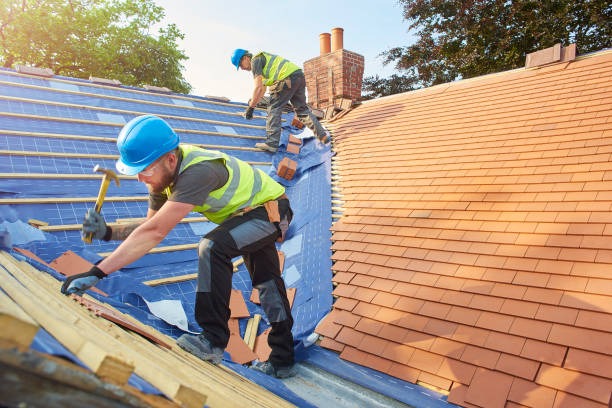
When it comes to home maintenance, few issues are as pressing or potentially damaging as a sudden roof failure. Whether caused by severe weather, fallen debris, or unexpected wear and tear, an emergency roof repair situation demands immediate attention to prevent further damage and ensure the safety of the household. Understanding how to handle such emergencies can save homeowners significant stress and expense.
The first step in dealing with an emergency roof failure is to assess the situation safely. It’s crucial not to attempt any repairs during hazardous conditions like storms or high winds. Instead, wait until it is safe before inspecting visit the source damage from ground level using binoculars if necessary. Look for visible signs such as missing shingles, sagging areas, or debris on the roof that might indicate structural compromise.
Once you have assessed the damage visually and ensured that there are no immediate dangers inside your home—like water leaks threatening electrical systems—it’s time to contact a professional roofing contractor. Choose someone who specializes in emergency services and has a solid reputation for quick response times and quality work. A reliable contractor will conduct a thorough inspection once conditions are safe, providing you with a detailed evaluation of damages along with an estimate for repairs.
In some cases where water penetration is evident but help cannot arrive immediately due to widespread emergencies (such as after major storms), temporary measures may be necessary. Homeowners can use tarps or plastic sheeting secured over damaged areas as a stopgap solution until professional repairs can be made. However, these should only be considered short-term fixes due to their limited effectiveness against prolonged exposure.
It’s also important for homeowners facing sudden roof failures to review their insurance policies promptly. Many homeowner insurance plans cover certain types of storm-related damages but understanding what is included requires careful examination of policy specifics regarding coverage limits and deductibles applicable in such scenarios.
Preventive measures play an essential role in mitigating risks associated with unexpected roof failures too. Regular inspections conducted by qualified professionals can identify potential vulnerabilities before they escalate into emergencies—such proactive steps include checking flashing around chimneys and vents; ensuring gutters remain clear; trimming overhanging branches that could fall onto roofs during storms; replacing worn-out shingles promptly; maintaining attic ventilation properly which helps extend roofing material life span significantly.
Ultimately being prepared involves having contingency plans ready: knowing whom you’d call when disaster strikes ensures faster responses while reducing anxiety levels amidst chaos surrounding unforeseen incidents impacting one’s home infrastructure critically like sudden roofing failures do often unexpectedly yet inevitably at times without prior warnings given nature unpredictability involved therein inherently always present within context discussed herein explicitly throughout this narrative comprehensively thus far presented above accordingly concisely overall indeed effectively so forth conclusively stated finally herewith now today thereby ultimately resolved satisfactorily hopefully ideally altogether then thereafter consequently indeed!