
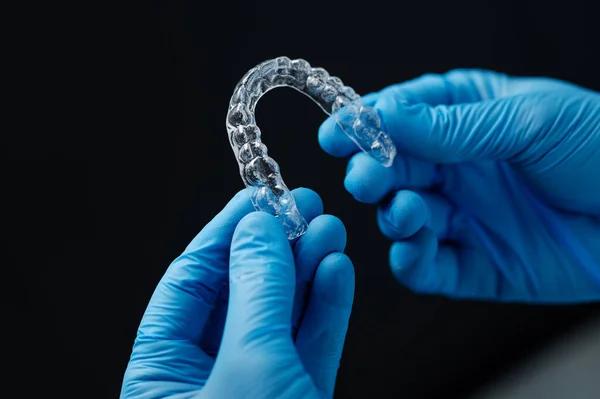
In recent years, the field of orthodontics has seen a significant shift towards more discreet options for teeth straightening. Among these innovations, Invisalign and clear aligners have gained immense popularity as alternatives to traditional metal braces. Both teens and adults are increasingly considering these options due to their aesthetic appeal and convenience. However, determining whether Invisalign or clear aligners are suitable for your teen or adult smile involves understanding several key factors.
Invisalign and other clear aligners work by using a series of custom-made, removable trays that gradually move teeth into their desired position. They offer a virtually invisible way to improve one’s smile, which is particularly appealing to self-conscious teenagers and professionals who may feel uncomfortable with noticeable metal braces. The ability to remove the aligners also allows for easier maintenance of oral hygiene compared to traditional braces, reducing the risk of plaque buildup and gum disease.
For teenagers, compliance can be a concern since the success of Invisalign largely depends on wearing the aligners for 20-22 hours per day. Parents need to assess whether their teen is responsible enough to adhere to this routine consistently. Some brands offer features like compliance indicators—small blue dots that fade over time when worn correctly—to help monitor usage in younger patients.
Adults often appreciate the flexibility that comes with clear aligners because they do not interfere with daily activities such as eating or speaking engagements. This makes them an attractive option for those who lead busy professional lives or frequently attend social events where appearance matters.
However, it is important to note that not all orthodontic issues can be addressed with Invisalign or clear aligners. Complex cases involving severe crowding, large gaps between teeth, or significant bite misalignments might still require traditional braces or other specialized treatments. A thorough evaluation by an experienced orthodontist is essential in determining whether these modern solutions are appropriate for your specific dental needs.
Cost is another factor influencing decision-making between traditional braces and clear aligners. While prices vary depending on individual cases and geographical location, Invisalign tends to be slightly read more expensive than conventional methods due partly to its advanced technology and customization process.